You found 545 house plans!


One-Story Cottage House Plans
There's a reason one-story cottage house plans remain so popular among home builders. They combine the warmth and character of cottage architecture with the convenience of single-level living, resulting in homes that are as practical as they are charming. Whether you're planning a permanent residence or a weekend retreat, a one-story cottage puts everything you need on one floor, surrounded by the details that make this style so enduring.
Read More
- 1 Stories
- 1 Beds
- 1 - 1/2 Bath
- 1200 Sq.ft

- 1 Stories
- 2 Beds
- 2 Bath
- 988 Sq.ft

- 1 Stories
- 3 Beds
- 2 - 1/2 Bath
- 2 Garages
- 2091 Sq.ft
- 1 Stories
- 2 Beds
- 2 Bath
- 1 Garages
- 996 Sq.ft

- 1 Stories
- 2 Beds
- 2 Bath
- 1084 Sq.ft

- 1 Stories
- 1 Beds
- 1 Bath
- 624 Sq.ft

- 1 Stories
- 3 Beds
- 2 Bath
- 2 Garages
- 1848 Sq.ft
- 1 Stories
- 1 Beds
- 1 Bath
- 803 Sq.ft
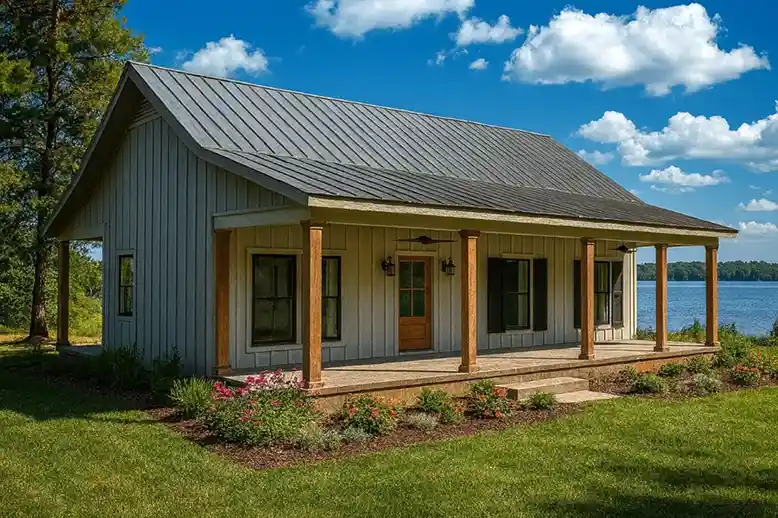
- 1 Stories
- 2 Beds
- 1 Bath
- 800 Sq.ft

- 1 Stories
- 1 Beds
- 1 - 1/2 Bath
- 872 Sq.ft

- 1 Stories
- 1 Beds
- 1 - 1/2 Bath
- 902 Sq.ft

- 1 Stories
- 2 Beds
- 1 Bath
- 912 Sq.ft

 Design in 3D
- 1 Stories
- 4 Beds
- 2 - 1/2 Bath
- 2 Garages
- 1899 Sq.ft

- 1 Stories
- 3 Beds
- 2 Bath
- 1490 Sq.ft
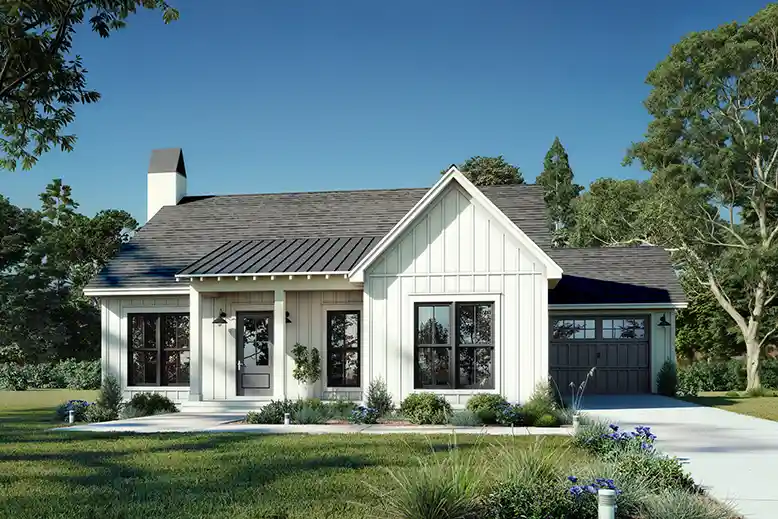
- 1 Stories
- 2 Beds
- 2 Bath
- 1 Garages
- 1400 Sq.ft

- 1 Stories
- 3 Beds
- 2 Bath
- 2 Garages
- 1421 Sq.ft

- 1 Stories
- 1 Beds
- 1 Bath
- 637 Sq.ft

- 1 Stories
- 3 Beds
- 2 Bath
- 2 Garages
- 1657 Sq.ft
The Appeal of Single-Level Cottage Living
Cottage homes have always been defined by approachability. Low-pitched or steeply gabled roofs, covered porches, natural materials, and interiors that feel warm the moment you walk in. When that character is built into a single-story layout, you get a home that feels grounded and connected to its surroundings in a way that taller structures sometimes don't.
Single-story cottage plans keep daily life simple. Without stairs to navigate, moving between rooms feels effortless. Laundry, groceries, and everyday tasks stay on one level. For families with young children, this means fewer safety concerns. For homeowners planning to age in place, it means a home that remains comfortable and accessible for decades.
There's also a design advantage: one-story cottage plans allow for higher ceilings in the main living areas, since there's no second floor above. Vaulted or cathedral ceilings in the great room or kitchen can make a compact floor plan feel open and airy, giving you a sense of space that square footage alone doesn't capture.
What to Expect from One-Story Cottage Floor Plans
One-story cottage house plans come in a wide range of sizes, from compact homes under 1,000 square feet to more spacious layouts that stretch past 2,000. Regardless of size, certain features tend to show up across the style.
Open Living Areas
Most single-story cottage plans use an open or semi-open layout for the kitchen, dining area, and living room. This keeps sightlines clear and encourages a natural flow between spaces, which is especially valuable when the overall footprint is modest.
Porches That Extend the Home
Front porches, rear porches, screened porches, wraparound porches — cottages are known for their outdoor living spaces. In a one-story plan, these connect directly to the interior at ground level, making it easy to step outside for morning coffee or evening entertaining.
Cottage Exterior Details
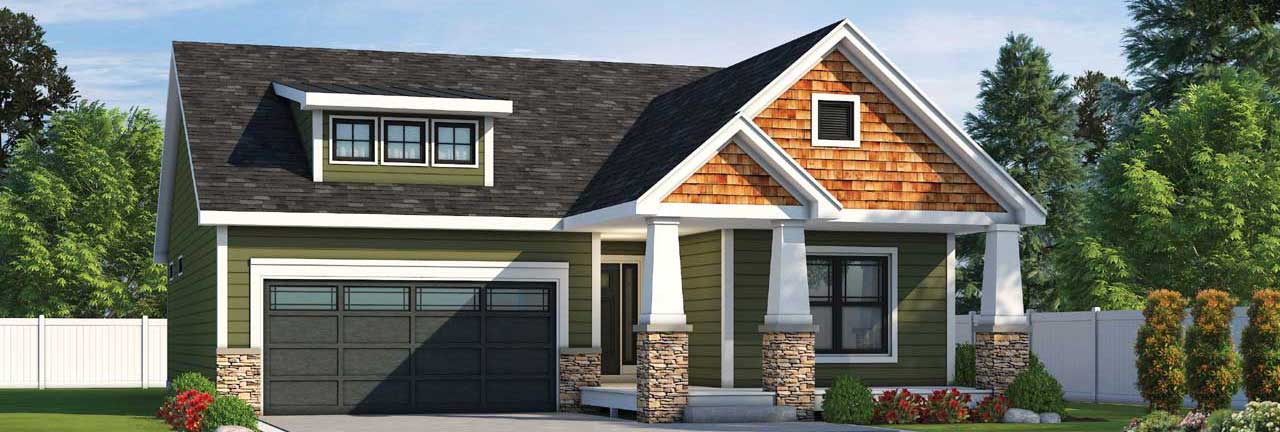
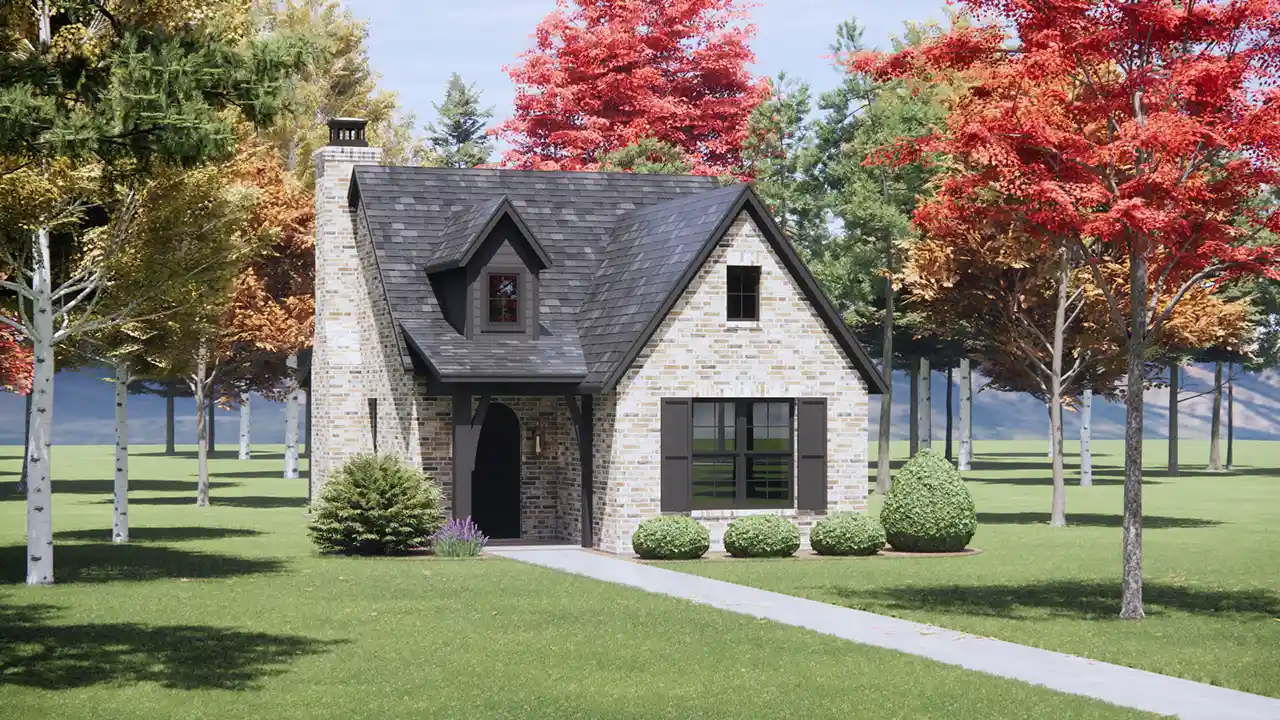
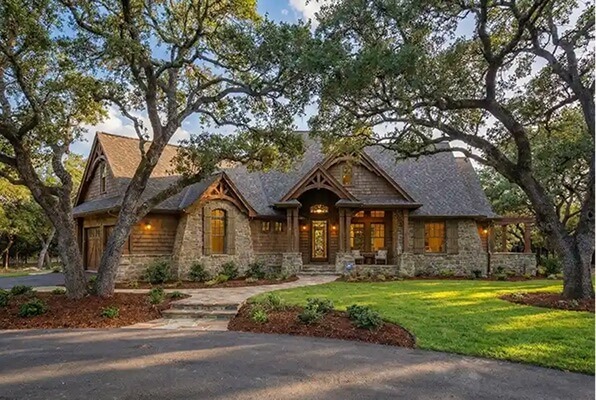
Even on a single level, cottage plans carry the architectural details that define the style. Expect to see gabled rooflines, dormer accents (decorative rather than functional in a one-story), window shutters, and a mix of exterior materials like stone veneer, lap siding, or cedar shakes.
Bedrooms With Separation
Many one-story cottage plans place the primary suite on one side of the home and secondary bedrooms on the other, with shared living spaces in between. This split-bedroom layout offers privacy without needing a second floor to create distance.
Customizing a One-Story Cottage Plan
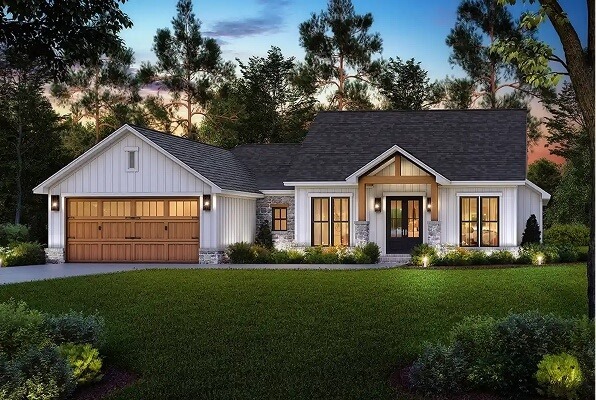
Starting with an existing plan doesn't mean settling for someone else's vision. At Monster House Plans, every cottage plan can be modified to fit your property, your preferences, and your budget. Common modifications for one-story cottage plans include expanding the primary suite, adding or enlarging a garage, adjusting the porch dimensions, or reconfiguring the kitchen layout.
Our Ask the Architect feature connects you directly with licensed professionals who can walk you through what's possible. And with our Instant Cost-to-Build calculator, you can see how changes affect your bottom line before making any commitments.
Frequently Asked Questions About One-Story Cottage House Plans
Do one-story cottage plans cost less to build than two-story plans?
In general, single-story homes can have higher per-square-foot costs because of a larger foundation and roof area relative to the total living space. However, the overall construction budget is often lower because one-story plans tend to be smaller in total square footage, require simpler framing, and eliminate the need for staircase construction. Labor costs can also be reduced since work stays at ground level throughout the build.
Can I include a basement in a one-story cottage plan?
Yes. Many one-story cottage plans are compatible with full or partial basements, depending on your lot and local soil conditions. A basement can significantly expand your usable space, providing room for storage, a workshop, a home gym, or even additional bedrooms and living areas if finished out. If your property has a slope, a walkout basement can bring in natural light and direct outdoor access.
How do I maximize space in a smaller one-story cottage?
Focus on plans with open-concept layouts, built-in storage, and multi-functional spaces. A kitchen island that doubles as a dining surface, a window seat with hidden storage, or a bedroom closet system that eliminates the need for a dresser can all make a compact plan live larger. Outdoor spaces like porches and patios also extend your functional square footage without increasing the building footprint.