
Category Archives: Uncategorized

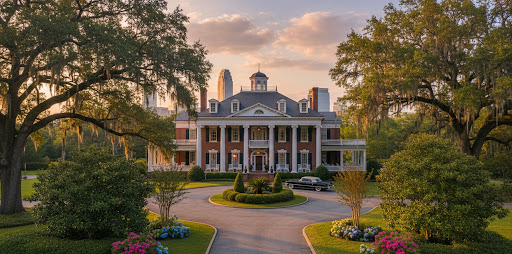
Grand Southern Colonial mansion with white columns, brick facade, circular driveway, and Spanish moss-draped oak trees at sunset.

From the modern craftsman-style homes in Plaza Midwood to the sprawling estates in Myers Park, Charlotte homes reflect what makes the Queen City so special: a unique blend of classic Southern charm and contemporary urban sophistication. 

If you’re planning a new build in the Charlotte area, the right “Carolina charm” house plan can give you that timeless curb appeal while still delivering the modern features most buyers want, like open kitchens, flexible office space, bonus rooms, and smart bedroom layouts that fit how your family lives. Southern-style house plans often emphasize open layouts that feel welcoming and comfortable, with spacious porches and centralized HVAC that make it easy to enjoy your home year-round. 

In this guide, we’ll highlight house plans that feel right at home in Charlotte neighborhoods, call out layout choices that work well on typical lots, and explore design features that make outdoor living more usable in hot, humid summers.

1. Timeless Colonial-Style House Plans

Charlotte’s modern colonial homes are inspired by early American colonial homes, with their distinctive symmetrical facades, rectangular shape, and a prominent central front door. Colonial-style house plans often break the mold for Southern home design with their lack of porch, but you’ll have plenty of space to tend to your garden or add landscaping features out front. Many Charlotte colonial-style homes incorporate a screened-in porch or three-season room on the side of the home, which makes it easier to enjoy the outdoors even when Charlotte’s hot, humid weather comes calling. 

The Southern colonial home design has a stately look that immediately draws attention. Inside, you’ll find a practical layout that embraces distinct living areas, hallways, and symmetrical design. Large bay windows give you ample natural light, while coffered ceilings inside and cornices on the exterior add ornamental sophistication that feels both historical and timeless.

What to Look for In a Plan

  • A symmetrical and rectangular exterior that’s instantly striking. 
  • A three-season sun room with a ceiling fan for year-round hosting and relaxing. 
  • A large family room and a grand entryway.

2. A Queen City Classic: The Craftsman-Style Home

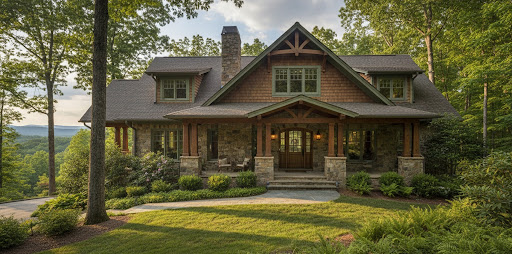
Take a leisurely drive through Plaza Midwood or Belmont, and you’ll see why Charlotte homeowners love Craftsman-style homes so much. The Bungalow Craftsman style, which offers compact home design that still feels spacious due to its open layout, is a Queen City favorite. Characterized by their low-pitched roofs, wide eaves, and a deep front porch, Craftsman homes are polished and classic, but still warm, welcoming, and built for everyday life in the Carolinas.

Modern craftsman home plans usually embrace an open floor plan with plenty of solid, natural materials like wood, brick, and stone. The result is an open, airy, but decidedly handcrafted feel that’s perfect for Charlotte’s particular brand of Southern charm.  While two-story options are available, more often than not, craftsman homes are a single story. A large front porch with plenty of space for plants and overhead fans provides the ideal outdoor retreat, even on humid Carolina days.

What to Look for In a Plan

  • Signature craftsman elements like tapered columns, wide porches, and exposed beams.
  • Double-hung windows that make it easy to enjoy the breeze on nice days.
  • Centralized HVAC placement for efficient cooling during hot Charlotte summers.
Craftsman-style mountain home with stone and cedar shake exterior, covered front porch, and timber accents surrounded by lush forest landscaping.

3. Spacious One-Story Ranch House Plans

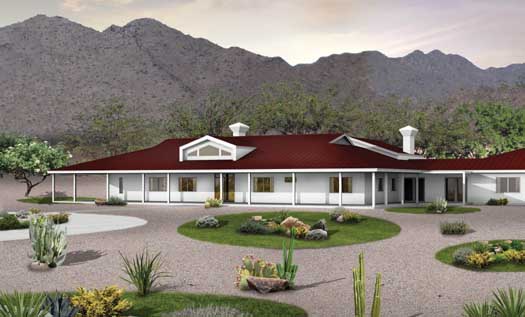
Southern home design has long embraced the “rambler,” or ranch-style home, especially in less densely populated neighborhoods or suburbs. Ranch house plans are single-story designs that typically feature L-shaped or U-shaped layouts. Traditionally, ranch homes have segmented floor plans, but modern ranch layouts often utilize open-concept floor plans that make the home feel more opened up and breathable. 

Ranch homes are great for homeowners looking for a classic, simple style with minimal exterior upkeep. Most modern ranch house plans have attached garages, and some incorporate large windows and vaulted ceilings to add height. Ranch-style homes are ideal for families or aging-in-place planning due to their single-level design.

 What to Look for In a Plan

  • Sprawling single-level designs with L- or U-shaped layouts. 
  • Spacious attached garages with plenty of room for vehicles and storage.

4. Tudor-Style House Plans Full of Character

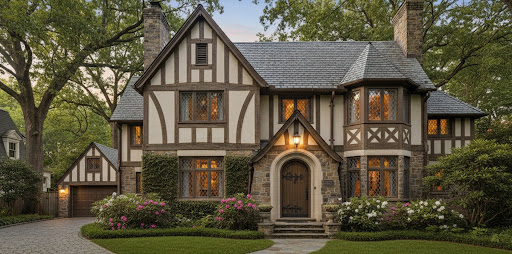
Charlotte boasts a significant number of Tudor-style homes, which can be seen dotting the tree-lined streets of Elizabeth and Dilworth. Influenced by late 16th-century English architecture but distinctly modern, Tudor house plans offer unique decorative features like stonework, half-timbered exteriors, arched windows, and steeply pitched roofs. The interior of these homes typically feature high ceilings, exposed beams, and luxury cabinets and built-ins. For Southern charm that has echoes of Medieval, Gothic, and Renaissance style, consider Tudor-style charming house plans for your next build in Charlotte.

What to Look for In a Plan

  • High ceilings and large fireplaces that make the space feel grand yet welcoming. 
  • Multi-paned windows and asymmetrical layouts make these home designs perfect for the homeowner who wants to stand out on their block.
Tudor-style home with cream stucco and dark timber framing, stone facade, arched wooden front door, leaded glass windows, and lush garden landscaping.

5. Minimal and Sustainable Contemporary Home Plans

Charlotte neighborhoods like NoDa and South End have seen a rise in contemporary home styles over the last decade. Common features of contemporary house plans in Charlotte include earth-tone finishes, open-concept layouts, lofted layouts, and minimal orientation. 

Many homeowners seek out contemporary home designs with sustainability in mind. These homes embrace minimalism and natural design elements like bamboo flooring. Large floor-to-ceiling windows make it easy to warm your home naturally during the fall into Charlotte’s mild winters. The flat or low-slope roofs that typically top these homes are ideal for homeowners planning to invest in solar panels, too.

What to Look for In a Plan

  • Floor-to-ceiling glass on the south side of the home.
  • An expansive roof that can accommodate solar panels. 
  • Clean, simple lines and open-concept layouts that make the space feel larger.

6. Old Southern-Style House Plans

Charlotte is home to many historic neighborhoods that boast century-old estates. If you want to build a new home that still feels like a part of Charlotte’s history, consider an old Southern-style house plan. These home designs are reminiscent of sprawling Southern plantations, but with contemporary amenities. Think tall white columns, red brick or stucco, and a grand driveway that makes your home feel larger than life.

What to Look for In a Plan

  • Sun rooms or three- (or four-) seasons rooms.
  • Centralized HVAC.
  • Plenty of windows to let in light.

Discover a House Plan With Carolina Charm

Monster House Plans features thousands of house plans with detailed floor layouts and elevation drawings so you can evaluate window placement, covered outdoor space, and garage orientation before you buy. Whether you’re looking for a specific architectural style or want to narrow down your choice by unique features like a garage or mudroom, we’ve got a home plan for you. 

Browse our collection today to find the perfect house plan for your next build in The Queen City.

Frequently Asked Questions

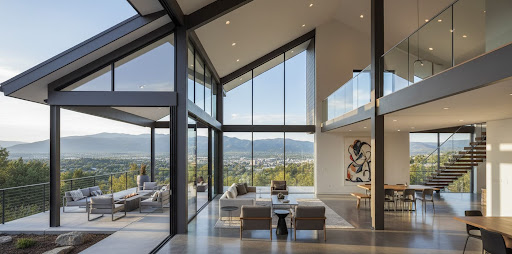
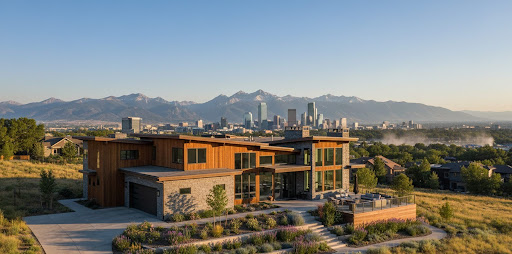
Mountain modern house plan with cedar and stone exterior, rooftop deck, and sweeping views of the Denver skyline and Rocky Mountains.

The Mile High City has much to offer in the way of natural beauty, with panoramic mountain views that take your breath away no matter how many times you see them. Denver’s blend of outdoor culture and metropolitan sophistication provides an ideal backdrop for a stunning modern mountain home plan that perfectly balances rustic style with modern design

If you’re planning a build along the Front Range, the right mountain modern house plan can help you capture natural light and views, create easy indoor-outdoor flow for sunny days, and still handle real-world needs like gear storage, mudroom drop zones, and a garage that works for daily life. 

In this guide, we’ll highlight mountain modern layouts that feel at home in the Denver market, while also calling out design choices that hold up to snow, wind, and big temperature swings so you can confidently shortlist a plan that’s both stylish and buildable.

1. Two-Story Layouts With Panoramic Windows

Just because you build your home in the Denver area, it doesn’t guarantee that you’ll have the mountain views you want. It’s not just location that matters, either. The Colorado mountain house plan you choose should prioritize features that enhance visibility as much as possible. A two-story home design gives you the added elevation you need, and panoramic windows give you the full picture of the stunning Rocky Mountains that made you want to build along the Front Range in the first place. 

An inverted living design — in which the primary living spaces, like the living room, den, and kitchen, are on the top level of the home —  is also well-suited for mountain views. 
What to look for in a plan: Strategic window placement to emphasize mountain views and a second-story covered deck with plenty of room for comfortable seating.

2. Plans With High Ceilings and Plenty of Wide Open Space

Homes built with high ceilings and open-concept layouts perfectly capture the spirit of Colorado living, creating spaces that feel as open and airy as the Rocky Mountain landscape itself. These designs maximize natural light and foster a seamless connection between the kitchen, dining, and living areas, making them ideal for modern entertaining and indoor-outdoor lifestyles. 

By eliminating visual barriers and expanding vertical space, high ceilings and open floor plans prevent the home from feeling restrictive, instead offering a spacious, breathable environment that invites relaxation and reflects the region’s expansive, outdoor-focused culture.
What to look for in a plan: Ceilings at 10 feet or higher in the living room or den and an open kitchen-to-living connection that feels spacious and organic.

Denver house plan interior with soaring glass walls, open-concept living area, floating staircase, and panoramic mountain and city views.

3. Modern Takes on the Classic A-Frame

There’s a reason why Scandinavian-influenced A-frame homes have always inspired American mountain home design. When built along the Front Range, the A-frame style organically mimics the mountain views that serve as its backdrop. You won’t just own a home in the mountains; your home will feel like it belongs alongside the peaks of the Rocky Mountains. 

Clean lines, bright spaces, and modern amenities make the classic A-frame home feel fresh and contemporary. While the main drawback of an A-frame house plan is the possibility of sacrificing usable indoor living space, adding a spacious porch in front that feels visually cohesive with the central frame design can make the home feel bigger and more airy. 

A-frame designs are also practical for modern mountain living. Characterized by their steeply angled roofs that form the letter ‘A’, A-frame homes offer several advantages uniquely suited to living in Colorado. Winters here are snowy, and the sharp slope of an A-frame home makes for efficient shedding during heavy snowfall. A-frames also provide the perfect structure for large, central windows that bring in lots of natural light and give you an everyday eyeful of the stunning Colorado landscape. 
What to look for in a plan: A-frame design with central window placement and a deck that feels like an extension of the primary living space.

4. Plans That Bring the Outdoors Indoors

Outdoor culture is a central part of Colorado living. Hiking, cycling, canoeing – Denver area homeowners love to get outside and connect with nature while taking advantage of the beautiful views and fresh air that the Front Range offers. 

Modern mountain home plans that make it easy to embrace the outdoorsy lifestyle are a perfect fit for this area. Homeowners who canoe, fish, or cycle need space to store their recreational equipment. A garage or other storage space with plenty of room is essential. And after a day spent out in nature, a transitional space like a mudroom or laundry room makes it easy to kick off hiking boots and store away outerwear without cluttering up your main living space. 

The right house plan can also make your home truly feel like part of the beautiful natural Colorado landscape. A spacious porch or patio that flows seamlessly into your living space with glass sliding doors or a walkout basement house plan that integrates perfectly into Denver’s high elevation will make it feel like “the outdoors” extends right into your home. 
What to look for in a plan: A covered porch or patio and a big garage with plenty of space to store canoes or cycling equipment. A mudroom with plenty of space to transition from the rugged outdoors to the clean comfort of the primary living area.

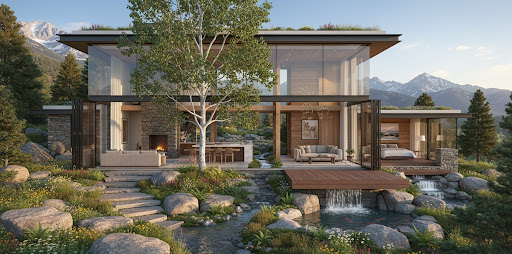
Modern mountain home plan with floor-to-ceiling glass walls, stone fireplace, wood decking over a waterfall pond, and snow-capped mountain views.

5. Energy-Efficient Plans With Room for Solar Panels

Energy efficiency is at the forefront of modern home design, and Colorado homeowners are increasingly considering sustainability and low utility costs as a major consideration when planning to build or buy. 

One thing to consider when choosing a house plan is the available surface area for solar panel installation. With over 300 sunny days a year, Colorado is naturally very solar supportive. The state offers multiple rooftop solar programs and was one of the first states in the U.S. to set a Renewable Energy Standard. 

Another design consideration that impacts energy efficiency is window placement. Windows allow you to heat your home naturally while filling your home with light and providing stunning views. Typically, south-facing windows are ideal for optimal sunlight. Opting for glass throughout the home, including windows and doors, is ideal for homeowners who want to brighten and warm their home with the power of the sun. 
What to look for in a plan: Floor-to-ceiling glass on the south side of the home and an expansive roof that will accommodate solar panels.

Find Your Plan for a Modern Mountain Retreat

Monster House Plans features thousands of house plans that you can filter by architectural style, square footage, stories, and specific features, like mudrooms, garages, and more. Every plan in our collection includes detailed floor layouts and elevation drawings so you can evaluate window placement, covered outdoor space, and garage orientation before you buy. 

Browse our collection today to find house plans that capture the airy, majestic feeling worthy of the Rocky Mountains.

Frequently Asked Questions

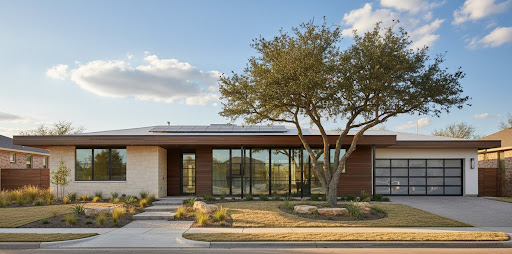
Modern single-story home with flat roof, wood and limestone exterior, floor-to-ceiling windows, glass-panel garage door, solar panels, and drought-tolerant front landscaping with ornamental grasses and boulders beneath a large shade tree.

Ask 10 people in the Metroplex what a “typical” North Texas home looks like, and you’ll get 10 different answers. That’s because Dallas-Fort Worth has never been a one-style kind of market. Limestone ranch homes sit a few miles from sleek contemporary builds, and modern farmhouses share zip codes with brick colonials. For anyone planning a new build, that variety is exciting and overwhelming.

The good news? Once you know which popular house plan styles show up most often across the Metroplex (and why builders keep coming back to them), you can cut through the noise fast. Below, we’ve rounded up seven of the most popular house plans in Dallas-Fort Worth, along with the climate-smart features and layout details that make each one a strong fit for North Texas living.

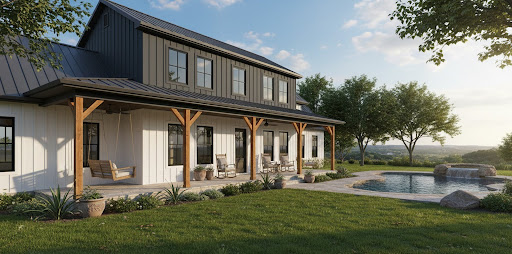
Two-story modern farmhouse with white board-and-batten siding, dark metal roof, and wraparound covered back porch featuring wood timber posts, a porch swing, and rocking chairs, adjacent to a freeform pool with a rock waterfall feature and lush green lawn overlooking a wooded hillside.

1. Modern Farmhouse

Modern farmhouse plans have dominated the DFW building scene for years, and their popularity isn’t slowing down. You’ll see them everywhere from Prosper to Mansfield, and for good reason: they pair a clean, contemporary feel with warm, livable details that families gravitate toward.

What makes a modern farmhouse plan stand out in North Texas? Open-concept living areas, large kitchen islands, board-and-batten or mixed-material exteriors, and covered porches that let you enjoy the outdoors without baking in the summer sun. Most of these Dallas-Fort Worth floor plans also feature rear- or side-entry garages, which keeps the front elevation clean for neighborhoods with strict HOA guidelines.
Why it works in DFW: The tall ceilings and open floor plans keep living spaces feeling airy during hot months, while covered front and back porches give you shaded outdoor space from spring through fall. If your lot backs up to a greenbelt or open space, a modern farmhouse plan with a large rear porch takes full advantage of the view.

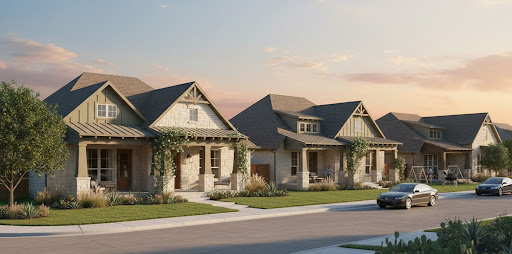
A row of craftsman-style single-story homes at sunset featuring stone and board-and-batten exteriors, decorative gable trusswork, covered front porches with climbing vines, and landscaped yards with ornamental grasses, set along a quiet residential street.

2. Craftsman

Craftsman-style house plans bring a sense of character and handcrafted detail that stands out in DFW’s newer subdivisions. You’ll recognize them by their tapered columns, low-pitched gable roofs, wide front porches, and exposed rafter tails. Inside, Craftsman plans tend to feature built-in shelving, defined living spaces that still feel connected, and thoughtful use of natural materials like stone and wood.

Craftsman plans are a strong pick for families who want curb appeal without going too ornate. Many of the best house plan styles for Texas borrow Craftsman elements because they translate well to the region’s building materials and suburban lot sizes.
Why it works in DFW: Craftsman homes sit well on the moderate-to-large lots common in cities like Keller, Southlake, and Flower Mound. The wide front porches provide shade over entryways and windows, which helps reduce cooling costs during July and August. Stone accents on the lower exterior hold up beautifully against North Texas weather, too.

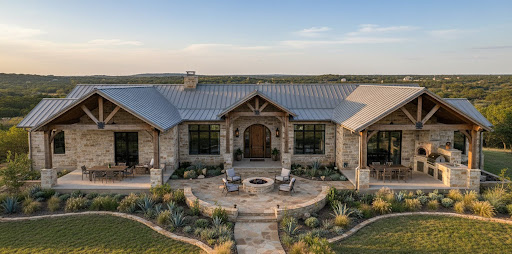
Aerial view of a sprawling Texas Hill Country ranch home with limestone exterior, metal roof, and exposed timber trusses, featuring a stone patio, and native xeriscape landscaping overlooking a wooded valley.

3. Texas Hill Country / Ranch

No list of popular house plan styles in Dallas-Fort Worth would be complete without the Texas Hill Country style. While this look originated further south and west, it has become a favorite across the Metroplex for buyers who want something distinctly Texan.

Texas Hill Country plans lean on native limestone exteriors, metal roofing accents, heavy timber details, and single-story footprints with wide, sprawling layouts. Large windows bring in natural light, while deep porches and overhangs shade them from direct sun. You’ll often see outdoor living rooms, summer kitchens, and courtyard-style entries in these plans.
Why it works in DFW: The single-story layout fits perfectly on the wider suburban lots found in communities like Celina, Aledo, and Midlothian. Metal roofing reflects heat and handles hailstorms better than standard asphalt shingles. And the emphasis on indoor-outdoor flow means you can use your patio space for eight or nine months out of the year.

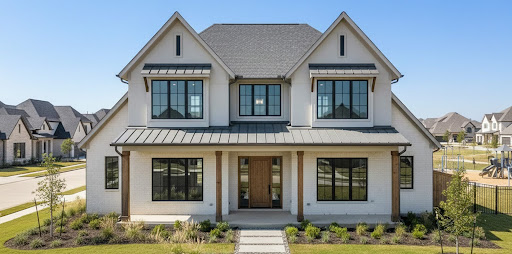
Two-story modern farmhouse with white painted brick exterior, black-framed windows, mixed metal and shingle roof, covered front porch with wood posts and a natural wood front door, set in a new suburban neighborhood with manicured landscaping and a community playground visible in the background.

4. Transitional (Contemporary Meets Traditional)

Transitional house plans are gaining serious traction in DFW, especially in master-planned communities. This style blends traditional forms (gable roofs, symmetrical proportions) with contemporary finishes (flat-panel cabinetry, large windows, minimal exterior trim). The result feels current without straying so far into modern territory that it clashes with neighboring homes.

Inside, transitional plans prioritize open living and dining areas that connect to the kitchen, home offices or flex rooms, and primary suites on the main level. Exterior materials typically mix brick, stone, and stucco in muted tones.
Why it works in DFW: Many DFW homeowner associations require homes that “fit the neighborhood” without specifying a single architectural style. Transitional plans thread that needle. They look at home next to Craftsman or traditional builds while still giving you a fresh, updated interior. Larger windows improve natural lighting and make rooms feel bigger, a practical advantage in the tighter lot-to-lot spacing common in newer subdivisions.

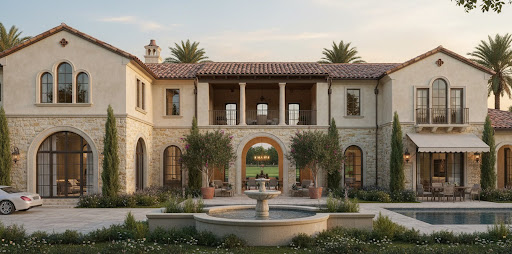
Grand Mediterranean-style estate with stucco and limestone exterior, clay tile roof, and arched windows and doorways, featuring a central courtyard with a stone fountain, columned upper loggia, manicured cypress trees, flowering plants, and a pool, framed by tall palm trees at dusk.

5. Mediterranean / Tuscan

Mediterranean- and Tuscan-inspired plans still hold a strong presence in upscale DFW communities. These plans feature stucco or stone exteriors, clay tile roofs, arched windows and doorways, and interior courtyards or loggia-style outdoor spaces.

Inside, expect large gathering rooms with high ceilings, formal dining areas, expansive primary suites, and well-defined entries with dramatic foyer spaces. Many Mediterranean DFW house plans also include casita-style guest quarters or detached garage apartments.
Why it works in DFW: The thick stucco walls and courtyard layouts historically evolved in hot climates, so they perform well in North Texas summers. Clay tile roofs are durable against hail (a real concern here), and shaded courtyards create a breeze-catching microclimate that makes outdoor spaces usable even in peak heat.

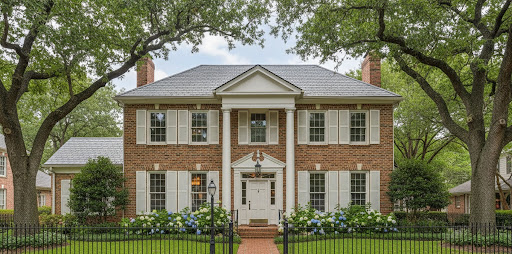
Classic two-story Georgian Colonial brick home with white pilasters, pediment entry, louvered shutters, and twin chimneys, framed by mature live oak trees, an iron fence, and a colorful border of blue and white hydrangeas along a brick walkway.

6. Traditional / Colonial-Inspired

Colonial house plans remain a staple across the DFW market, particularly in established neighborhoods and communities that prioritize a classic, timeless look. You’ll find these homes throughout Plano, Richardson, Grapevine, and Arlington. They typically feature brick exteriors, symmetrical facades, shuttered windows, and two-story layouts with defined rooms.

Don’t confuse “traditional” with “outdated,” though. Today’s traditional Dallas-Fort Worth house plan styles incorporate open kitchens, larger primary suites, mudrooms, and flexible bonus spaces upstairs. You get the polished exterior of a classic home, with a floor plan that reflects how families live today.
Why it works in DFW: Brick performs exceptionally well in the North Texas climate. It withstands temperature swings, requires minimal maintenance, and stands up to the severe thunderstorms that roll through every spring. Two-story plans also make efficient use of narrower lots, which are becoming more common as DFW land values rise.

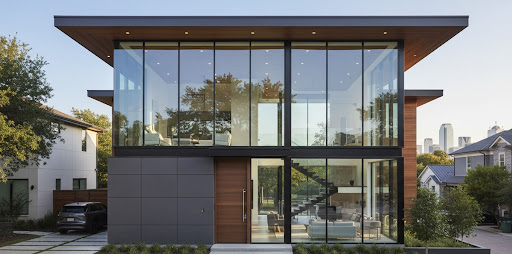
Two-story contemporary home with full-height black-framed curtain wall glass, cantilevered flat roof with wood soffit, gray metal panel base, and a pivoting wood front door, revealing an open-plan interior with a floating staircase, set in an urban neighborhood with a city skyline visible in the distance.

7. Modern / Contemporary

Modern and contemporary plans are the fastest-growing segment in DFW’s new-construction market. Flat or low-slope rooflines, floor-to-ceiling glass, minimalist exteriors, and open interior volumes define this style. You’ll see these homes popping up in urban-adjacent neighborhoods.

Inside, modern plans focus on clean lines, integrated storage, floating staircases, and indoor-outdoor connections through sliding glass wall systems. Minimalism drives the layout, so every square foot has a clear purpose.
Why it works in DFW: Energy-efficient building envelopes, strategic window placement for daylighting, and flat roofs designed for proper drainage all suit the Texas climate. Many modern plans also integrate smart-home wiring from the ground up, which appeals to the tech-forward buyer demographic growing across North Texas.

How To Choose the Right Style for Your DFW Build

Picking from the most popular house plans in Dallas-Fort Worth comes down to a few practical questions:

What does your lot look like? Wide suburban lots in outer-ring cities like Celina or Weatherford can accommodate sprawling single-story plans. Narrower infill lots closer to downtown may call for a two-story traditional or modern plan that builds up instead of out.

What does your HOA allow? If you’re building in a master-planned community, check the architectural guidelines before you fall in love with a plan. Some communities restrict roofing materials, exterior colors, or even the percentage of your facade that must be brick or stone.

How do you use outdoor space? Covered patios, screened porches, and outdoor kitchens are practically standard in DFW builds. If outdoor entertaining is a priority, look for plans with a strong rear porch footprint or a courtyard layout.

How important is energy efficiency? Certain styles handle Texas heat better than others. Deep overhangs, shaded porches, courtyard layouts, and reflective roofing materials all help keep cooling costs down during those 100-degree stretches in July and August.

Once you answer those questions, you’ll be ready to pick your favorite DFW house plan.

Modern Farmhouse Meets Metroplex

Take a peek at one of our modern farmhouse plans and see why they’re among the most popular house plans in Dallas-Fort Worth.

Your Future DFW Home Starts With the Right Plan

We carry thousands of house plans in every style on this list, and you can filter by square footage, bedrooms, stories, garage configuration, and architectural style to find exactly what fits your build. Every plan comes with detailed floor layouts and elevation drawings, so you’ll know precisely what you’re getting. Browse our full collection today and take the first real step toward building in Dallas-Fort Worth.

Frequently Asked Questions

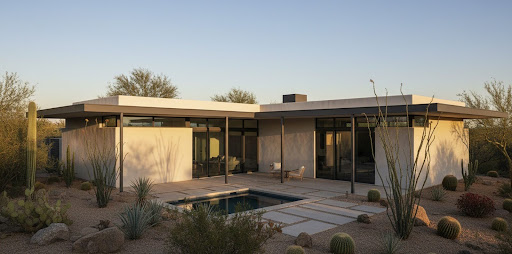
Exterior rear view of a modern desert home with a flat roof, stucco walls, and floor-to-ceiling glass sliding doors opening to a concrete patio with a rectangular pool, surrounded by native Sonoran desert landscaping including saguaro cacti, barrel cacti, agave, and boulders at dusk

Phoenix doesn’t ease you into summer. By late May, daily highs regularly clear 100°F, and by July, your home’s floor plan is doing just as much work as your HVAC system. The way a house is laid out, where the windows sit, how the roof handles direct sun, and how much usable shade exists outside all affect how comfortable you are indoors and how much you pay to stay that way.

That’s why choosing house plans for a desert climate requires a different kind of checklist than building in, say, the Pacific Northwest or the Midwest. In Phoenix, the plan itself is part of your cooling strategy. Below, we’ve broken down the best house plan designs for Phoenix based on the specific layout features and architectural details that help a home perform in extreme heat. If you’re building in the Valley, these are the styles and plan elements worth putting at the top of your list.

1. Single-Story Plans With a Compact Footprint

Two-story homes have their place, but single-story plans offer a real advantage in Phoenix. Heat rises, and a second-floor sitting directly under the roof absorbs the worst of it. In a single-story layout, you can insulate and ventilate the attic space above the entire living area, creating a buffer between your ceilings and the blazing roof.

A compact footprint also means less exterior wall space exposed to the sun. The more spread out a home is, the more surface area absorbs radiant heat throughout the day. Look for single-story hot-climate house plans that cluster bedrooms and living spaces efficiently rather than stretching them into long wings. That tighter envelope is easier and cheaper to cool.
What to look for in a plan: Centralized HVAC placement (shorter duct runs lose less cooled air), high ceilings for heat stratification, and attic space with room for heavy insulation.

2. Courtyard-Style Layouts

Courtyard house plans are practically engineered for desert living. The enclosed or semi-enclosed outdoor space sits protected from wind-driven dust and direct afternoon sun, creating a shaded microclimate in the center of the home. Historically, builders across the American Southwest, the Mediterranean, and the Middle East used this layout for exactly this reason.

In a Phoenix courtyard plan, the home’s rooms wrap around a central patio, so the interior walls facing the courtyard get shade from the structure itself for most of the day. This reduces the heat load on those walls significantly compared to fully exposed exterior surfaces. Add a water feature or some potted desert plants, and you’ve built an outdoor room that’s genuinely usable even in July.

Many of our southwestern-style house plans incorporate courtyard elements, and they’re some of the most popular picks among Arizona buyers.

What to look for in a plan: A true courtyard (fully or partially enclosed by the home’s wings) and sliding or folding glass doors that open living spaces to the courtyard.

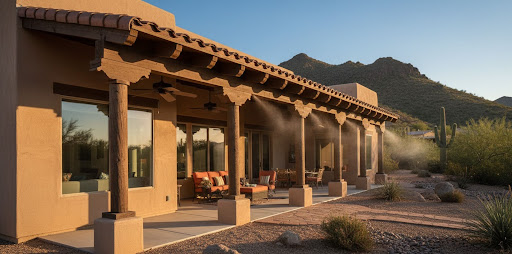
Exterior rear view of a Territorial-style desert home with warm tan stucco walls, a clay tile roof, and a covered patio supported by decorative wood columns, furnished with rust-colored outdoor seating and ceiling fans with an active misting system, surrounded by native desert landscaping and a dramatic rocky mountain backdrop

3. Plans With Deep Roof Overhangs and Covered Porches

In Phoenix, shade isn’t a luxury. It’s infrastructure. A house plan with deep roof overhangs (two feet or more) keeps direct sunlight off your exterior walls and windows during the hottest hours of the day. That single detail can meaningfully reduce indoor temperatures and lighten the load on your cooling system.

Covered rear porches and patios extend that same principle to your outdoor living space. A standard uncovered patio in Phoenix is unusable for roughly four months of the year during daylight hours. A covered patio with ceiling fans and misting capability becomes a functional room that you can use year-round.

Southwest house plans and Spanish-style house plans tend to feature generous overhangs as a core design element, not an afterthought. If you’re comparing plans side by side, pay close attention to how much covered outdoor square footage each plan includes.
What to look for in a plan: Overhangs of at least 24 inches on south- and west-facing walls, covered patios with enough depth to shade the adjacent windows, and outdoor ceiling fan pre-wiring.

4. Energy-Efficient Plans With Strategic Window Placement

Windows are one of the biggest heat-gain culprits in any home, and in Phoenix, a large west-facing window can turn a room into an oven by 3 p.m. Energy-efficient house plans for the desert prioritize where glass goes, not just how much of it there is.

The best house plan designs for Phoenix minimize glazing on the west elevation and concentrate larger windows on the north side, where they bring in soft, indirect light without the brutal heat gain. East-facing windows get morning sun, which is manageable. South-facing glass can work well with proper overhangs that block the high summer sun but allow lower-angle winter light to warm the home during cooler months.

This isn’t about eliminating natural light. It’s about controlling it. A plan with thoughtful window placement will feel brighter and more open than one that scatters oversized windows across every elevation without considering orientation.
What to look for in a plan: Smaller or fewer windows on the west elevation, clerestory windows for daylighting without direct heat gain, and notation of low-E or dual-pane glass specifications.

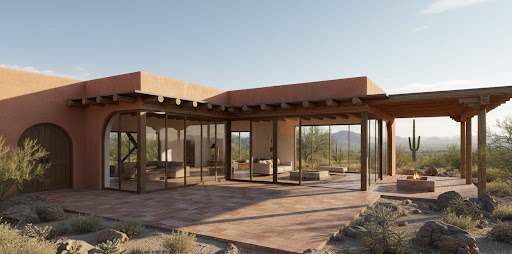
Exterior rear view of a Southwestern adobe-style home with terracotta-colored stucco walls, rustic wood beam pergolas, and large glass sliding doors opening to a tiled patio with an outdoor fire pit, set against a sweeping desert landscape with saguaro cacti and distant mountains.

5. Plans With Attached but Buffered Garages

House plans for hot climates that position the garage on the west or southwest side of the home use the garage as a thermal buffer, absorbing afternoon sun before it reaches your living spaces. Plans that include an insulated shared wall or a utility/laundry room between the garage and the main living area add another layer of protection.

If you’re looking at a plan with a front-entry garage, check which rooms sit directly behind it. If it’s the primary bedroom or family room, you may want to request a modification or choose a different layout.
What to look for in a plan: A garage on the west side of the home, a buffer room (laundry, mudroom, pantry) between the garage and primary living areas, and insulated garage-to-house walls noted in the specifications.

6. Open Floor Plans With High Ceilings

Open floor plans serve a functional purpose in Phoenix. Large, connected living areas allow cooled air to circulate more freely throughout the home, reducing the hot spots that develop in homes with lots of closed-off rooms and narrow hallways.

Pair that open layout with high ceilings (10 feet or above), and you get meaningful heat stratification: the hottest air rises to the ceiling while the cooler air you’re breathing stays lower. Ceiling fans in these spaces push that stratified air around, which makes the room feel cooler without dropping the thermostat.

Many of the house plan designs for hot climates in our collection feature great rooms with 10- to 12-foot ceilings that connect seamlessly to the kitchen and dining areas. It’s a layout that feels spacious and performs well thermally.
What to look for in a plan: Great room ceilings at 10 feet or higher, an open kitchen-to-living connection, and ceiling fan pre-wire locations noted on the electrical plan.

7. Desert Contemporary and Southwestern Designs

If you want a home that looks like it belongs in the Sonoran Desert and performs like it was built for it, desert contemporary and Southwestern-style plans deserve a close look. These styles evolved specifically for arid climates, so their design DNA already accounts for extreme heat, intense sun, and minimal rainfall.

Southwestern plans lean on flat or low-slope rooflines, clean stucco exteriors, earth-toned color palettes, and strong indoor-outdoor connections through walls of glass that face shaded courtyards or covered patios. They also incorporate details such as exposed wood beams (vigas), arched doorways, tiled roofs, and textured stucco in warm terracotta tones.

Both styles favor thermal mass materials like concrete block, stucco, and stone, which absorb heat slowly during the day and release it after sundown when desert temperatures drop. That natural temperature buffering makes a noticeable difference in cooling costs.
What to look for in a plan: Stucco or masonry exterior walls, flat or low-pitch rooflines with parapet walls for shade, and outdoor living rooms integrated into the main floor plan.

Built for the Sun: Find Your Phoenix-Ready Plan

We carry thousands of house plans that you can filter by architectural style, square footage, stories, and specific features. Every plan in our collection includes detailed floor layouts and elevation drawings so you can evaluate window placement, covered outdoor space, and garage orientation before you buy. Start browsing today and find a plan that’s built to handle everything a Phoenix summer can throw at it.

Frequently Asked Questions

Building a home in Florida offers the chance to create your dream space in one of the country’s most desirable states. With its sunny climate, beautiful beaches, and no state income tax, it’s no wonder Florida is a popular destination for homebuyers. But before you break ground, it’s essential to understand the unique considerations that come with building in the Sunshine State. In this guide, we’ll walk you through the steps and key factors to consider when learning how to build a house in Florida.

1. Research Florida’s Building Regulations

The first step in understanding how to build a house in Florida is to familiarize yourself with the state’s building codes and regulations. Florida has specific rules for construction due to its vulnerability to hurricanes, flooding, and other severe weather conditions. Builders must adhere to the Florida Building Code (FBC), which outlines safety requirements for residential construction, including:

  • Hurricane-resistant designs: Homes must be able to withstand high winds and flying debris.
  • Flood zone compliance: If you’re building in a flood-prone area, your home must meet elevation requirements to reduce the risk of flood damage.

Before starting your project, be sure to consult with local authorities and builders to ensure your plans meet Florida’s stringent building standards.

2. Find the Perfect Location

One of the most important decisions when building a home in Florida is choosing the right location. Florida is a large state with diverse regions, each offering different lifestyles, climates, and amenities. Consider the following factors when selecting your lot:

  • Proximity to the coast: Coastal living is a major draw in Florida, but it comes with risks like hurricanes and flooding. Be prepared for higher insurance premiums and stricter building codes in these areas.
  • Inland vs. coastal living: While coastal areas are popular, inland regions offer more affordable land prices and lower insurance costs. Cities like Orlando or Gainesville provide a balance of urban amenities and lower risk of severe weather.
  • Community amenities: Consider what nearby amenities matter most to you, such as schools, healthcare facilities, shopping, and entertainment.

3. Choose the Right House Plan

Once you’ve chosen your location, it’s time to decide on a design for your new home. Your house’s layout and features will significantly impact your budget and lifestyle, so selecting the right house plans is key. Monster House Plans offers a wide selection of pre-designed house plans that can be tailored to your needs and the unique requirements of building in Florida.

  • Why it matters: Many homes in Florida feature open floor plans to take advantage of the warm climate, outdoor living spaces, and large windows to maximize natural light. Popular architectural styles include Mediterranean, coastal, and ranch designs.

Choosing a plan from Monster House Plans can also save you time and money compared to hiring an architect to design a home from scratch. Browse our house plans to find the perfect fit for your Florida dream home.

4. Budget for Your Build

Understanding how to budget for how to build a house in Florida is crucial to ensure that your project stays on track. Several factors influence the cost of building a home in Florida, including:

  • Land costs: The price of land varies widely across the state, with coastal areas generally being more expensive than inland regions.
  • Construction costs: Labor and materials will make up a significant portion of your budget. Be prepared for higher costs if your home requires hurricane-resistant materials or features like impact windows and reinforced roofs.
  • Permit fees: You’ll need to obtain permits for everything from site preparation to the construction itself. Fees vary by county, so check with local authorities for specific costs.
  • Insurance: Florida’s risk of hurricanes and floods means that insurance premiums can be high, especially in coastal areas. Be sure to factor this into your ongoing homeownership costs.

Working with a general contractor or builder who understands Florida’s construction environment will help you create a realistic budget and avoid unexpected costs.

5. Secure Financing

Before breaking ground, it’s essential to secure financing for your home-building project. If you’re not paying for the construction out of pocket, you’ll need to explore your loan options. Construction loans are commonly used to finance the building process. Here are the most common options:

  • Construction-to-permanent loans: These loans cover both the construction phase and convert into a traditional mortgage once the home is completed.
  • Stand-alone construction loans: This type of loan covers just the construction costs, but you’ll need to secure a separate mortgage once the home is finished.

Be sure to shop around and compare lenders to find the best loan terms for your specific project.

6. Work with Local Builders

When building a house in Florida, it’s crucial to work with builders who are familiar with the state’s unique challenges, such as hurricane resistance and flood mitigation. Look for contractors who have experience adhering to the Florida Building Code and understand how to navigate the state’s permitting process.

Here’s what to consider when selecting a builder:

  • Reputation: Check reviews, ask for references, and review past projects to ensure the builder has a strong track record.
  • Licensing and insurance: Verify that the builder is licensed and insured to operate in Florida.
  • Experience with weather-resistant construction: Given Florida’s climate, it’s essential that your builder is experienced in constructing homes that can withstand extreme weather conditions.

A good home builder will help guide you through every step of the process, from selecting materials to managing the construction timeline.

7. Prepare for Florida’s Climate

Florida’s tropical climate plays a big role in home design and construction. High humidity, heat, and frequent storms require specific features to ensure your home remains comfortable and durable. Consider incorporating the following elements into your home design:

  • Hurricane shutters: Installing hurricane shutters or impact windows can protect your home from high winds and flying debris.
  • Elevated foundations: In flood-prone areas, building an elevated foundation can reduce the risk of water damage during heavy rains or storms.
  • Energy-efficient features: Florida’s hot climate can lead to high energy bills. Consider energy-efficient features like solar panels, high-efficiency windows, and insulated walls to keep your home cool while reducing energy costs.

Build Your Dream Home in Florida

Building a home in Florida is an exciting opportunity to create a space tailored to your needs and the state’s unique environment. By following the steps outlined in this guide, from choosing the right location to working with experienced builders, you’ll be well on your way to bringing your vision to life. For expert guidance and a wide range of pre-designed house plans, visit Monster House Plans and start planning your Florida dream home today.

Building your dream home is an exciting milestone, but it requires careful planning—especially when it comes to finances. Saving enough money to fund the construction process can feel overwhelming, but with the right strategy, it’s more than achievable. In this guide, we’ll walk you through how to save to build a house by breaking down key steps to help you stay on track and reach your financial goals.

1. Set a Realistic Budget

The first step in learning how to save to build a house is to establish a realistic budget. Start by determining the cost of the home you want to build, factoring in elements like land, materials, labor, permits, and fees. Use resources like the house plans available from Monster House Plans to get an idea of what style and size fit your vision and budget.

Consider the Following Costs:

  • Land acquisition: Whether you’re purchasing an empty lot or building on a developed area, you’ll need to account for land costs. Prices vary widely depending on location.
  • Construction costs: This includes materials, labor, and the general contractor’s fees.
  • Permits and legal fees: Every area has its own regulations for construction permits, and there are often costs associated with these approvals.
  • Site preparation: Depending on the condition of your lot, you may need to clear trees, level the ground, or address drainage issues.
  • Utilities: You’ll need to connect to water, gas, and electricity lines if they’re not already available on the land.

2. Determine How Much to Save

Once you’ve established your budget, it’s time to figure out how much you need to save. A general rule of thumb is to aim for a 20% down payment on the total project cost, though you may need more depending on your lender’s requirements.

If you already own land, that equity can be applied toward the cost of construction, reducing the total amount you need to save. Keep in mind that construction loans may have different requirements than traditional mortgages, so research your financing options early in the process.

3. Cut Unnecessary Expenses

When it comes to saving for a big project like building a house, every dollar counts. One of the most effective ways to boost your savings is to cut unnecessary expenses from your budget. Review your monthly spending and identify areas where you can reduce costs.

Here are some common areas where you can save:

  • Eating out: Limit how often you dine at restaurants and try to cook at home more frequently.
  • Subscription services: Consider canceling streaming services, subscription boxes, or other recurring charges that you don’t use regularly.
  • Impulse purchases: Avoid spontaneous purchases by creating a monthly budget and sticking to it.
  • Luxury items: Hold off on buying high-ticket items like electronics or vacations until you’ve reached your savings goal.

The money you save from cutting these expenses can be directed into a dedicated account for your home-building project.

4. Open a Separate Savings Account

One of the best ways to track your savings progress is to open a separate savings account specifically for your home-building fund. This will help you avoid mixing your everyday expenses with your long-term savings. Many banks offer high-yield savings accounts, which can also help your savings grow faster.

Consider setting up automatic transfers to this account so that a portion of your income is deposited each month without you having to think about it. Over time, these automatic contributions will add up and bring you closer to your goal of building a house.

5. Create a Timeline and Set Milestones

Saving for a home-building project can feel like a long process, but breaking it down into smaller milestones can help you stay motivated. Start by setting a realistic timeline for your project. For example, if you want to begin construction in two years, determine how much you need to save each month to reach your goal.

Next, set specific savings milestones, such as:

  • Saving for land: Focus on accumulating enough for the land purchase first if you don’t already own property.
  • Down payment goal: Set a target for the 20% down payment on your construction loan.
  • Emergency fund: Building a home can come with unexpected costs, so it’s wise to save extra for potential surprises during construction.

Celebrate each milestone as you reach it, and use it as motivation to continue saving for the next step.

6. Reduce Debt and Improve Your Credit Score

If you’re planning to finance part of your home-building project through a construction loan or mortgage, your credit score and debt levels will play a key role in your approval process. To secure the best loan terms and interest rates, it’s important to reduce your debt and improve your credit score before applying for financing.

Here’s how to get started:

  • Pay off high-interest debt: Focus on paying down credit card balances or other high-interest loans.
  • Make payments on time: Consistently paying your bills on time will boost your credit score over time.
  • Avoid new debt: While you’re saving for your home, avoid taking on new loans or credit cards, as this could negatively affect your credit score.

A higher credit score not only increases your chances of loan approval but also helps you secure lower interest rates, which can save you money in the long run.

7. Explore Financing Options

In addition to saving, exploring financing options is a critical part of the home-building process. Construction loans, which are different from traditional mortgages, are typically used to fund home-building projects. They can cover everything from land acquisition to construction costs.

Once the home is complete, the construction loan is usually converted into a traditional mortgage. Here are a few types of loans to consider:

  • Construction-to-permanent loan: Combines the construction loan and mortgage into one loan, simplifying the financing process.
  • Stand-alone construction loan: Separate loans for the construction phase and the mortgage. This option may offer more flexibility but can be more complicated.

Talk to multiple lenders to find the best loan terms for your situation, and don’t forget to factor in loan closing costs when setting your budget.

8. Use Professional Services to Save Money

While it may seem counterintuitive, hiring professionals can often save you money in the long run. Working with a knowledgeable architect or builder can help you avoid costly mistakes and ensure that your project stays within budget.

Selecting a pre-designed plan from the Monster House Plans house plans collection can also save you thousands on architectural fees. These plans are ready to go, allowing you to start the building process faster without the expense of custom designs.

Start Saving for Your Dream Home Today

Building your own home is a rewarding process, but it requires careful financial planning. By creating a realistic budget, cutting unnecessary expenses, and setting milestones, you can learn how to save to build a house more effectively. As you move forward, don’t hesitate to explore professional services and financing options that can help make your dream home a reality.

As mortgage rates remain high, finding affordable house plans to build is an attractive option for a lot of prospective homeowners. If you’re wondering how to build a cheap house in today’s economy, you’re not alone. Read on to find out more about construction costs, designs, and the pros and cons of building a cheap house.

Picking an Affordable House Plan To Build: What to Consider

When choosing affordable-to-build house plans, there are a few key factors to consider. In addition to the style you want, pay attention to how much money you want to spend, where you want to build, and how big you want your house to be. 

Budget

First and foremost, you can narrow things down considerably by taking a look at your budget. How much cash do you have to spend on a downpayment? How much are you willing to take out in a construction loan? If you’re not sure what you can afford, you may want to meet with a financial advisor first. 

Location

Location is another big factor when figuring out how to build a cheap house. You’ll need to look at several factors, from material costs to the price of land. The difference between an affordable house plan in Southern California and Nebraska for example would be pretty drastic. 

Size

Once you’ve narrowed down your budget and location, you should have a pretty good size range in mind for your home build. In a rural area you might be able to build a 2,000 sq ft house for “cheap,” but in a metropolitan area, you may need to consider tiny home plans (500 sq ft or less).

Deciding Which Affordable House Plan Is Right For You

If you’re ready to look at cheap house plans to build, you also need to decide on the style and design you want.

Style

Whether you prefer contemporary or craftsman, you can pretty much build a cheap house in any style. Just be sure to find one that suits your family, and that will maintain future resale value in your area. 

Design 

Sometimes, the difference between a cheap house build and an expensive one comes down to design. Things like custom lighting, built-ins, and unique natural stone can all drive prices up. The simpler you make your home’s design, the more you’ll save on overall costs. 

Pros of Building a Cheap House

Affordability

Building a small/cheap house is often a lot more affordable than buying a pre-built home. If you can find a great cheap house plan that you love, you can save a lot of money.

Lower Mortgage/Debt

After construction is complete, your loan will be refinanced into a mortgage that is typically lower than that of a pre-built home.

Lower Property Taxes and Insurance

When you spend less money on building a home, you’ll also be spending less every year in property taxes and insurance premiums.

Energy Efficiency and Simpler Living

Smaller homes are also great for energy efficiency and simplifying your life. If you’re ready to spend less on power bills and get rid of unnecessary junk, building a cheap home is a great option for you.

Customization Flexibility

When building a cheap home, there are still so many choices you can make to personalize your design. Add a fireplace in every room, build a Murphy door bookshelf, or design a bathroom with a sauna. The options are endless.

Is it cheaper to build a house?

Despite the many pros of doing it yourself, it may not always be the most financially sound option. For example, is it cheaper to build a house in the location you’ve chosen or to buy one? The answer to this question will vary by state and also depends on how elaborate you want your design to be. 

Cons of Building a Cheap House

Lower Resale Value

When you select a smaller house plan, the resale value will reflect the size in the future, so make sure you plan for that eventual outcome. 

Zoning/Building Restrictions

Some states are more difficult than others when it comes to building a cheap house. Getting the right permits and dealing with delays can add up quickly and end up costing you more.

Higher Likelihood of High Maintenance Costs

Cheap builds often involve lower-quality materials or cut construction corners. You could end up with more upkeep and costly repairs in the future.

Location challenges

If you live in an area prone to destructive weather or crime, your house might not hold up to your initial cost-saving measures.

Creating a Realistic Timeline For Your Affordable House Build

If you’re ready to start a cheap house build, don’t expect it to be completed overnight. Even with a smaller plan, construction can take a long time, especially if you’re working on it yourself. Plan for months of temporary housing arrangements, weather complications, appraisal delays, and more. Giving yourself more time than you need is always better than coming up short. 

Conclusion

Whether you’re looking to build a tiny home or a mother-in-law addition, there are countless options for cheap house plans. Check out MonsterHousePlans’ cost-to-build calculator, architect consultations, and thousands of designs, and get started on your dream home today.

If you’ve ever been curious about how to build a tiny house, there are a lot of pros and cons and considerations to keep in mind. Modern tiny house plans come in a variety of shapes, styles, and sizes, and can be a great option for those who don’t need a lot of space. 

Picking a Tiny House Plan: What to Consider

Whether you’re looking at tiny house plans for a rental unit or to call home, there are a few things you should keep in mind.

Location

First—will the tiny house be built on land you currently own? Or will you need to buy land as well? Do you plan on building a permanent structure, or a tiny home on a trailer base that can be moved?

Budget

It’s important to set a budget that can guide you through the process of building a tiny house. The design and materials used will greatly impact your overall costs. 

Size/Storage

Remember—tiny homes are usually less than 500 sq ft. During construction you should think about ways to maximize space and storage.

How Much Does a Tiny House Cost

How much does a tiny house cost to build? That depends on the tiny house plans you’re looking at, the materials you want to use, and how detail-oriented you want to be. Here’s a rough estimate breakdown of costs:

  1. Lumber, insulation, and drywall: $4,500
  2. Windows, roofing, and siding: $4,000
  3. Electrical: $1,500
  4. Bathroom: $1,000
  5. Flooring: $500
  6. HVAC: $1,000
  7. Kitchen appliances: $3,000
  8. Furniture: $2,000
  9. Paint, light fixtures, finishing touches: $1,000

Total = $18,500

Deciding Which Tiny House Plan Is Right For You

Modern tiny house plans come in just about any style including modern, rustic, A frame, and cottage. Find an aesthetic you like, choose the exact square footage you’re looking for, and get started.

Pros of Building a Tiny House

Affordability

The main appeal for many people looking into building a tiny house is the cost. Tiny homes can be built for a fraction of the price of a standard-size home.

Lower Utility Costs

With smaller square footage, you’ll also see lower utility bills because it takes less energy to heat and cool a tiny home.

Minimal Maintenance

When your entire living space is packed into 400 sq ft, there’s not much to do in the way of maintenance. Clean out your vent fans, change filters, and keep an eye on water runoff. 

Simpler Living

Many people crave the simplistic lifestyle that a tiny house has to offer. If you love the minimalist mindset, you’ll love a tiny home. 

Mobility

If you choose to build a tiny home on a trailer platform, you can live just about anywhere.

Faster Build Time

Need a place to crash sooner rather than later? Tiny house plans require fewer materials and take a lot less time to build than traditional homes. 

Cons of Building a Tiny House

Limited Space

Tiny home living isn’t for everyone. If you need more storage space or have several family members, a tiny home can quickly become a claustrophobic environment. 

Zoning/Building Codes

In order for your tiny house to be a legal residence, you’ll need to follow local zoning laws and building codes. This can be a pain, especially if your state has strict guidelines surrounding tiny homes.

Financing Challenges

Often, a tiny house build can cost much more than you might anticipate. It can be difficult to obtain a construction loan for a tiny house, so many people build them from a personal loan or cash.

Resale Value

As a general rule, tiny homes don’t retain resale value like a traditional home. People see them more as accessory dwelling units, so they don’t make a great real estate investment by any means.

Lack of Amenities

Again, tiny house plans aren’t for everyone. If you’ll miss having a garage, ample counter space, multiple bedrooms, large bathtubs, etc., a tiny home won’t live up to your expectations.

Creating a Realistic Timeline For Your Tiny House Build

Even if you’re building a tiny house from a pre-made plan and kit, the process can still take a lot longer than you might think. Allow time for the foundation to settle, framing, wiring, insulation, etc. From start to finish, a tiny home may take several months to complete.

Conclusion

Whether you’ve just started researching how to build a tiny house, or you’re ready to start construction, it’s important to keep in mind that this process is more complex than simply throwing a shed together in the backyard. Tiny house plans are a great way to build a home on a budget, but they’re not for everyone. 

Find modern tiny house plans and other small builds on Monster House Plans, and start building your minimalist dream home today. 

At Monster House Plans, we know How to custom build a house and how it can be an exciting journey, offering you the chance to create a space that perfectly fits your lifestyle and preferences. Unlike purchasing a pre-built house, custom building allows you to select every detail, ensuring your home meets your unique needs. In this guide, we’ll walk you through the essential steps involved in custom building a house, from planning and budgeting to moving in and enjoying your dream home.

Step 1: Planning and Budgeting

The first step in building a custom home is setting a realistic budget. Consult with financial advisors and lenders to determine how much you can afford. Your budget will guide your decisions throughout the project. Next, identify your needs and wants in a home. Consider the number of bedrooms, bathrooms, and the overall layout. Research potential locations and choose a site that fits your lifestyle and budget.

Step 2: Designing Your Home

At Monster House Plans, we offer an extensive library of customizable house plans. Start by browsing our collection to find a design that resonates with you. Work with our architects to create a design brief that outlines your requirements and preferences. We’ll provide initial sketches and plans, which you’ll review and refine until the design meets your expectations. Be prepared to make revisions and consider the practicality and functionality of your design choices.

Step 3: Securing Permits and Approvals

Understanding local zoning laws and regulations is essential before construction begins. Submit your plans for approval to the relevant authorities and obtain all necessary permits. This step can be time-consuming, so plan accordingly and ensure all paperwork is to avoid delays.

Step 4: Choosing a Builder

Finding a reputable builder is key to the success of your project. Research builders in your area, review their portfolios and check references. Obtain quotes from multiple builders to compare costs and services. Once you’ve chosen a builder, sign a contract outlining the scope of work, timelines, and payment schedules.

Step 5: Construction Phase

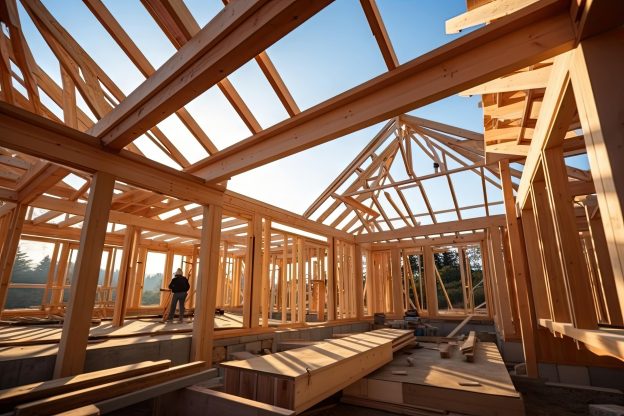
The construction phase begins with clearing and preparing the site. Your builder will handle foundation work, framing, and installing essential systems like plumbing, electrical, and HVAC. As construction progresses, you’ll see your vision take shape. Regular site visits and communication with your builder will keep you informed and involved.

Step 6: Custom Features and Finishes

One of the joys of custom building is selecting materials and finishes that reflect your style. Choose flooring, cabinetry, countertops, and other finishes that suit your taste. Custom design elements, such as built-ins and unique architectural features, add personality to your home. Consider working with an interior designer to create a cohesive and stylish interior.

Step 7: Final Inspections and Walkthrough

Before moving in, your home will undergo final inspections to meet all building codes and regulations. Conduct a thorough walkthrough with your builder to address any remaining issues or touch-ups. This is your chance to ensure everything is perfect before you take ownership.

Step 8: Moving In

Plan your move-in date and coordinate with movers and utility companies. As you unpack and settle into your new home, take the time to appreciate the effort and creativity that went into its creation. Enjoy the satisfaction of living in a space designed just for you.

Conclusion

Custom building a house with Monster House Plans is a rewarding experience that allows you to create a home perfectly suited to your needs and preferences. From planning and budgeting to the final move-in, each step is an opportunity to bring your vision to life. Enjoy the journey and the result – a home that’s uniquely yours.

Ready to start your custom home building journey? Explore our extensive library of customizable house plans and find the perfect design for your dream home. Subscribe to our newsletter to stay updated on the latest home construction and design trends. Have questions or want to share your experience? Drop a comment below – we’d love to hear from you!

Building a house is a dream for many, but turning that dream into reality requires meticulous planning and budgeting. This guide will walk you through the essential steps to ensure your home-building project stays on budget and stress-free.

Initial Planning

Before diving into the financials, it’s crucial to define what you want from your new home. Consider the number of bedrooms and bathrooms, the total square footage, and any must-have features. Opting for a ready-made house plan can save time and money, offering a clear starting point for your budget​.

Setting a Budget

  1. Get Pre-Approved: Secure a construction loan to understand your budget limits. This step will help set realistic financial boundaries for your project​.
  2. Include a Contingency Fee: Unexpected costs are common in home-building projects. To cover these, add a 15-20% contingency fee to your budget​.

Cost Breakdown

Lot Costs: The price of the land, its condition, and preparation needs can significantly impact your budget—factor in utilities and any required lot improvements​.

Design Fees: Design fees can vary depending on whether you choose an architect or a design-build firm. For ready-made plans, consider additional costs for any necessary modifications​.

Construction Costs: These include everything from the foundation and framing to roofing and mechanical systems. Site work, such as clearing the lot and grading, is also a significant part of construction costs​.

Hard vs. Soft Costs

When planning how to budget for building a house, it’s helpful to categorize expenses into hard and soft costs.

  • Hard Costs: These are direct construction expenses, including labor and materials​.
  • Soft Costs: These include land purchase, engineering, permits, taxes, and other non-material expenses. They can often make up a substantial portion of the overall budget​.

Detailed Budget Items

Exterior Finishes: Roofing, windows, doors, and exterior wall finishes are major contributors to your budget.

Interior Finishes include insulation, drywall, trim, lighting, appliances, and cabinetry. They are often the most expensive part of the building process​.

Landscaping: Don’t forget to budget for landscaping. Garden walls, extensive planting, and other exterior improvements can add significant costs​.

Managing the Budget

Track Deviations: Keep meticulous records of any changes to the initial plan and their associated costs to avoid unpleasant surprises​.

Regular Updates: Continually update your budget as the project progresses. Regularly revisiting your financial plan helps ensure you stay on track.

Cost-Saving Tips

Energy Efficiency: Investing in energy-efficient insulation, windows, and appliances can reduce long-term costs. Proper sealing and insulation, energy-efficient windows, and smart home systems are excellent investments​.

Ready-to-Build Plans: Save on design costs by selecting ready-made plans. These plans often come with pre-determined material lists, which can help provide more accurate cost estimates​.

Conclusion

Thorough budgeting is essential to successfully build your dream home without financial stress. By following these steps and regularly consulting with professionals, you can create a realistic budget that accommodates your needs and helps ensure a smooth building process.